Credit Card Trackers That Don't Need Your Bank Login (2026)
Three benefit trackers never ask for bank credentials — CardPointers, MaxWorth and kardfolio. What you give up without a login, and who should connect one.

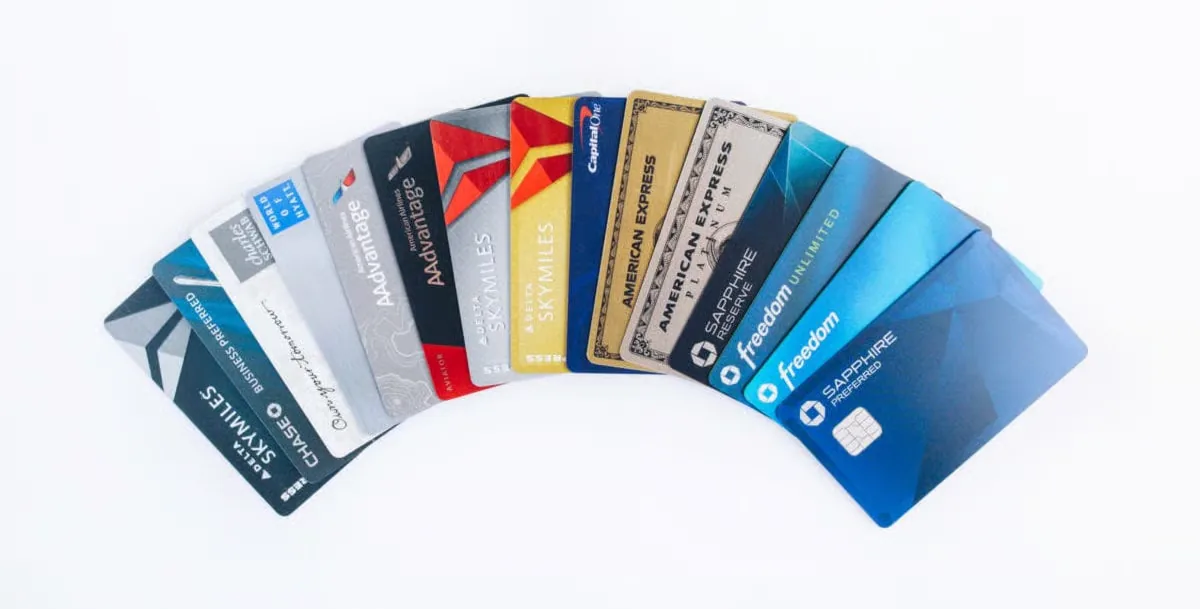
Short answer: three benefit trackers never ask for your bank login — CardPointers, MaxWorth and kardfolio. You pick your cards from a database and the app loads every credit, perk and earning rate itself; nothing touches your credentials. The price of that is one tap: you mark credits used yourself instead of the app reading your transactions. If you want credits ticked off automatically, MaxRewards is the only serious tracker that does it, and it requires a bank login to do so.
That trade-off decides everything else, so it is worth being precise about it before comparing anything.
What “bank login” actually means here
Every credit card tracker has to answer one question: how does it know what you have and what you have used?
There are two answers.
Read your accounts. The app connects to your bank through an aggregator — Plaid, MX, or a direct login — and reads your card list and transaction history. From transactions it can infer that the $12.95 Walmart+ charge posted, mark the credit used, and reset it next month without you touching anything. This is genuinely convenient. It also means a third party holds read access to your accounts, and every aggregator-based app has users reporting cards that unlink and need re-authenticating a few times a month.
Ask you. The app keeps its own database of cards and their benefits. You say “I have the Amex Platinum and the Sapphire Reserve”; it loads the $600 hotel credit, the $300 travel credit, the lounge access, the reset dates. When you use a credit, you tap it. No credentials, no transaction access, nothing to re-link. The cost is that tap.
Neither is wrong. But most “best tracker app” articles compare features across this line as if it did not exist, and that is why people end up with an app whose core mechanism they did not want.
The trackers, by what they ask for
| App | Bank login? | How it knows your cards | Marks credits used… | Platforms |
|---|---|---|---|---|
| MaxWorth | Never | You pick from a hand-verified database (390+ US, Canadian and Australian cards) | By you, with cycle-aware reminders | iOS, Chrome extension |
| CardPointers | Never | You pick from its database (5,000+ cards) | By you | iOS, Android, web, browser extensions |
| kardfolio | Never | Manual entry or CSV import | By you | iOS |
| Kudos | Optional (Plaid) | Manual, or Plaid if you connect | By you unless connected | Chrome, Safari, iOS |
| AwardWallet | No bank login — but stores loyalty-program logins | Signs in to airline and hotel programs on your behalf | n/a — it tracks balances, not benefit credits | Web, iOS, Android |
| MaxRewards | Required (Plaid) | Reads your linked accounts | Automatically, from transactions | iOS, Android |
Checked September 2026. Prices are left out on purpose — they change more often than this table would, and they are not what this page is about.
Two rows need a note.
AwardWallet is doing a different job. It tracks balances — how many United miles, how many Hyatt points, when they expire — and it does that by logging in to those programs for you. It is excellent at that job and does not compete with the benefit trackers above. It belongs in this table only because people ask about it, and the honest answer is: no bank login, but yes, it holds your loyalty logins.
Kudos is a checkout tool first. Its product is a browser extension that suggests the best card as you pay. Benefit tracking is secondary, and its Plaid link exists to power spending insights, not credit tracking. You can use it without connecting anything.
Who should still connect their bank
Say it plainly: if you hold several premium cards, use most of the monthly credits, and never want to think about any of them, MaxRewards’ automatic marking is a real advantage and none of the no-login apps replicate it. Our MaxRewards review goes through exactly what it automates and where the sync breaks. If that trade reads as worth it to you, you should make it.
The no-login apps are for the other case: you would rather tap “used” twelve times a year than give an aggregator standing access to your accounts — or you are simply not allowed to (a surprising number of people are, by employer policy or their own rule).
What MaxWorth does without a login
Since this is our page, here is precisely how the no-credential version works, so you can judge whether the “one tap” cost is real for you.
Cards and benefits load from the database. Every card’s credits, perks and earning rates are in a database we verify against the issuer’s own site — the same one that generates every card page on this site. Add the Platinum and the $600 hotel credit, the $200 airline credit, the Walmart+ credit and the rest appear with their cycles already set. Our methodology covers how it is maintained.
Cycles reset themselves. Monthly, quarterly, semi-annual, annual and card-anniversary credits each reset on their own schedule, and the app tracks the schedule, not you. The $600 hotel credit is two $300 halves; the app knows which half you are in.
Reminders replace the transaction feed. You get a push before a credit expires — that is the part that actually stops money being lost, and it does not need to see your spending to fire.
Offers are activated in your own browser. The Chrome extension activates every eligible Amex and Chase offer in one click. It runs inside the issuer’s website while you are logged in, sees the offers page you are looking at, and nothing else. The app never holds your credentials; the extension never leaves the page. Activated offers sync to the app so you can track and favorite them, and stack them against cashback portal rates.
Annual-fee ROI is computed from what you mark. Because you record what you used, the app can tell you whether the card paid for itself this year — the number that decides whether to keep it.
What it cannot do is notice on its own that a charge posted. If that bothers you, see the section above.
How to choose, in one line each
- Never want to give a login, want the most complete benefit database and offer activation: MaxWorth or CardPointers. They are the two closest competitors on this page, and the MaxWorth app page states what we cover.
- Want the simplest possible manual tracker on iPhone: kardfolio.
- Want checkout recommendations more than credit tracking: Kudos.
- Want to track points and miles balances, not credits: AwardWallet — accept the loyalty logins.
- Want credits marked automatically and are fine with Plaid: MaxRewards.
The first question is still the only one that matters: do you want an app that reads your accounts, or one that asks you? Answer that, and the rest of the choice is small.
Frequently Asked Questions
Which credit card trackers never ask for a bank login?
CardPointers, MaxWorth and kardfolio. You tell them which cards you hold and they load the benefits from their own databases — no Plaid, no credentials, no transaction access. AwardWallet is a different case: it never asks for a bank login but does store your airline and hotel loyalty logins. Kudos makes its Plaid connection optional. MaxRewards requires one; that is what powers its automatic tracking.
What do I lose by not connecting my bank?
Automatic credit marking. An app that can read your transactions can see that the $15 Uber charge posted and tick the credit off for you. A no-login app cannot, so you tap 'used' yourself. Cycle-aware reminders close most of that gap; they do not close all of it.
Can an app still activate Amex and Chase offers without my bank login?
Yes. Both MaxWorth and CardPointers do it with a browser extension that runs inside your own logged-in session on the issuer's website. The app never holds your credentials; it only sees the offers page you are already looking at.
Is a bank-login tracker unsafe?
Not inherently — Plaid and MX are used by major banks and fintechs. The question is whether you want a third party holding read access to your accounts, and whether you are willing to re-authenticate when connections drop, which users of every aggregator-based app report. That is a preference, not a security verdict.